NCGrowth
NCGrowth

News & Media

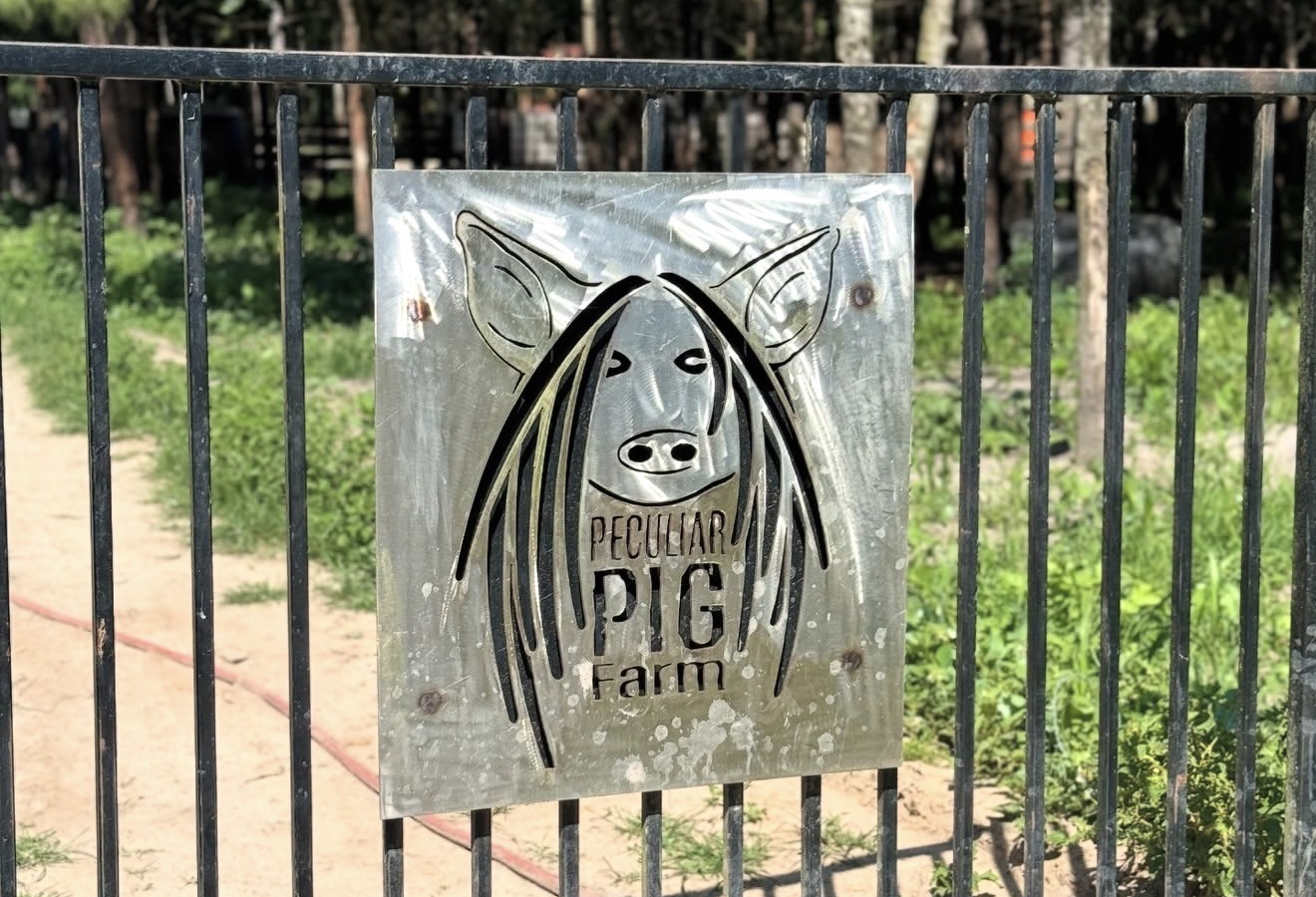
Peculiar Pig Farm sign

Rooted in Heritage, Ready to Grow: Peculiar Pig Farm Maps Expansion

Peculiar Pig Farm has built a loyal following by staying true to its roots. The fifth-generation, family-owned farm in Dorchester, South Carolina, led by Marvin Ross, is known for heritage hogs, pasture-raised beef and regenerative, pasture-based practices that connect customers more closely to where their food comes from. Through direct-to-consumer sales, restaurant partnerships across the Southeast and its farm-to-table catering division, Peculiar Pig Eats, the farm has grown into a regional favorite.

Community leaders discussing a project

What’s at Stake for Minority-Owned Businesses in North Carolina

North Carolina’s small business landscape changed dramatically this summer when the state’s 2026 Appropriations Act eliminated the Office of Historically Underutilized Businesses, or HUB office, ending a long-running source of training, consultation and procurement support for businesses owned by women, minorities and service-disabled veterans. For many entrepreneurs, the change came with little warning. In an interview with The Charlotte Post, Nicole Outlaw, NCGrowth’s Assistant Director of Engagement said the closure “certainly came as a surprise” and raised significant concerns for the businesses that had been working to position themselves for government contracts through HUB certification.

Two restaurant staff members wearing aprons look at a laptop together at a table in a restaurant.

Practical AI, Real Results: Bringing AI to Rural Business

For many small and rural businesses, keeping up with emerging technology can feel less like an opportunity and more like a challenge. While larger organizations often have access to dedicated training, tools, and technical support, smaller firms are frequently asked to adapt with far fewer resources. This summer, NCGrowth worked to help close that gap through the AI for Small and Rural Businesses Cohort — a practical, accessible learning experience designed for nontechnical business owners exploring how artificial intelligence can support day-to-day operations and long-term growth.

Winston-Salem State University entrance sign made of brick with large black lettering.

Beyond Enrollment: The Economic Footprint of Winston-Salem State University

For more than 130 years, Winston-Salem State University has been a force for education, leadership and opportunity in North Carolina. Founded in 1892 as Slater Industrial Academy, WSSU today serves approximately 4,972 students across 39 bachelor’s degree programs, seven master’s programs and two professional doctorate programs. As a leading historically Black college and university within the University of North Carolina System, WSSU’s academic strengths in nursing, health sciences, education, business, the arts and sciences continue to shape both student success and regional vitality.

A winding road curves over an elevated bridge, surrounded by a vibrant autumn forest with trees in shades of red, orange, and yellow.

EXTRA, EXTRA…WESTERN NC NEWS

Some of the most promising projects in Western North Carolina begin with a simple conversation: a business owner, community leader, or local partner saying, “We’ve got an idea, but we’re not quite sure how to make it happen.” That is often where NCGrowth’s work begins. This quarter, NCGrowth is partnering with businesses and communities across the region on projects that support small-business growth, strengthen local planning, and help communities move ideas toward implementation. From financial strategy and wholesale expansion to downtown reuse planning and retail market analysis, the work reflects a common goal: helping Western North Carolina build stronger local economies with solutions shaped by local needs. NCGrowth is also working with a cohort of regional businesses preparing for post-Helene opportunities, with a focus on recovery, resilience, and long-term growth.

Mapping Indigenous Food Systems as Economic Development

The Native American Traditional Indigenous Food Systems (NATIFS) is a Minneapolis-based organization that helps tribal communities develop the infrastructure necessary to implement and support a range of Indigenous food production. Today, only 3% of food markets and 1% of restaurants in the United States are owned and operated by Indigenous peoples. Food insecurity, a reliance on non-traditional foods, and under-representation in food systems have contributed to disproportionately high rates of diabetes, obesity, and early death amongst Indigenous peoples. NCGrowth has completed an Indigenous Food Systems Report to help NATIFS establish an Indigenous food lab in North Carolina.

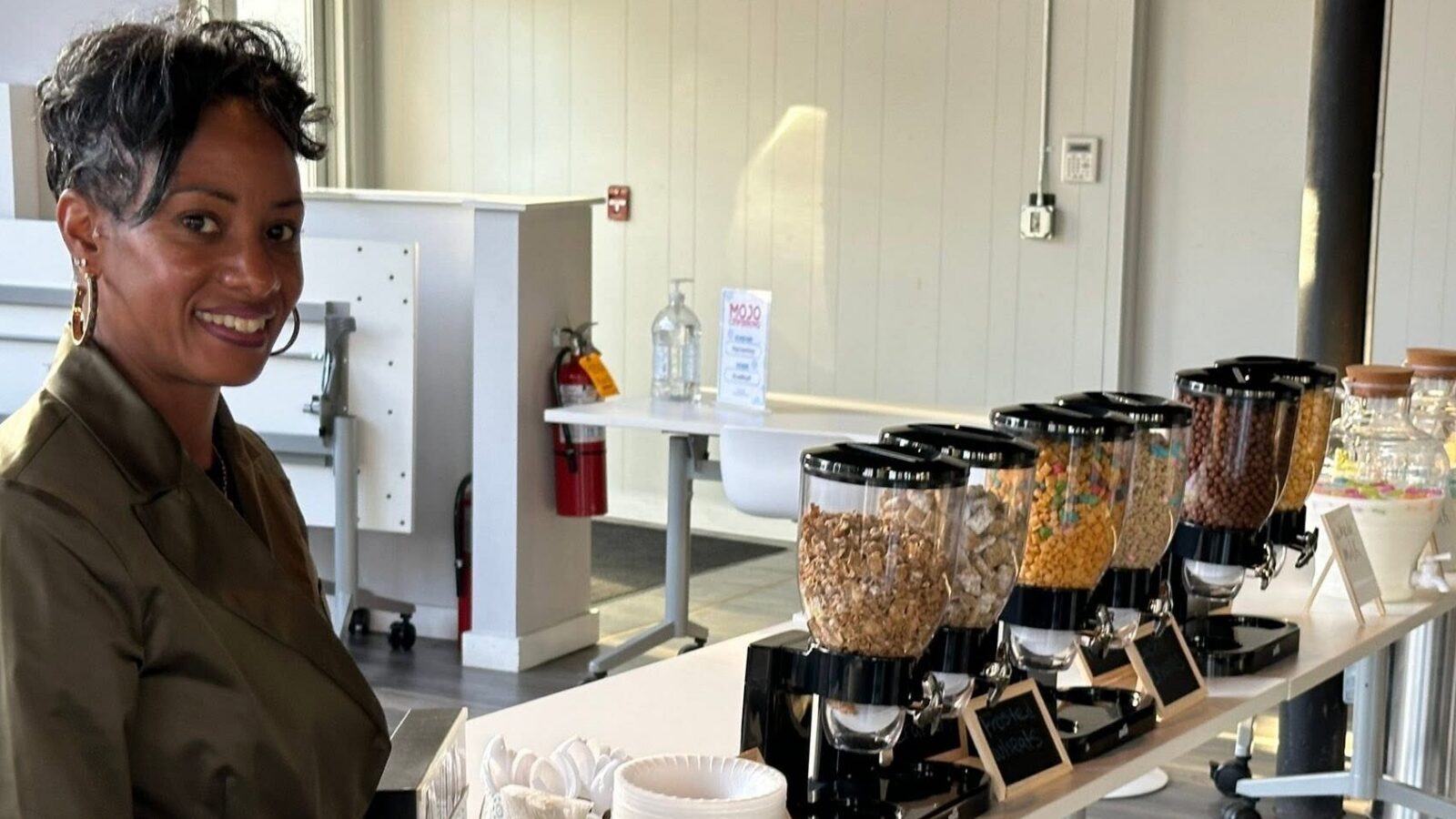
Chill Cereal Bar owner

From Setbacks to Staying Power: Chill Cereal Bar’s Asheville Story

When Patricia Waters talks about Chill Cereal Bar, she talks about grit.The Asheville entrepreneur says the idea for her business came from her son, Elijah Cox, when he was just 13 years old. One day, he asked to pull out all the cereal at home and suggested they open a cereal bar. For Waters, the moment sparked more than a business concept; it launched an entrepreneurial journey rooted in family, faith, imagination and determination.

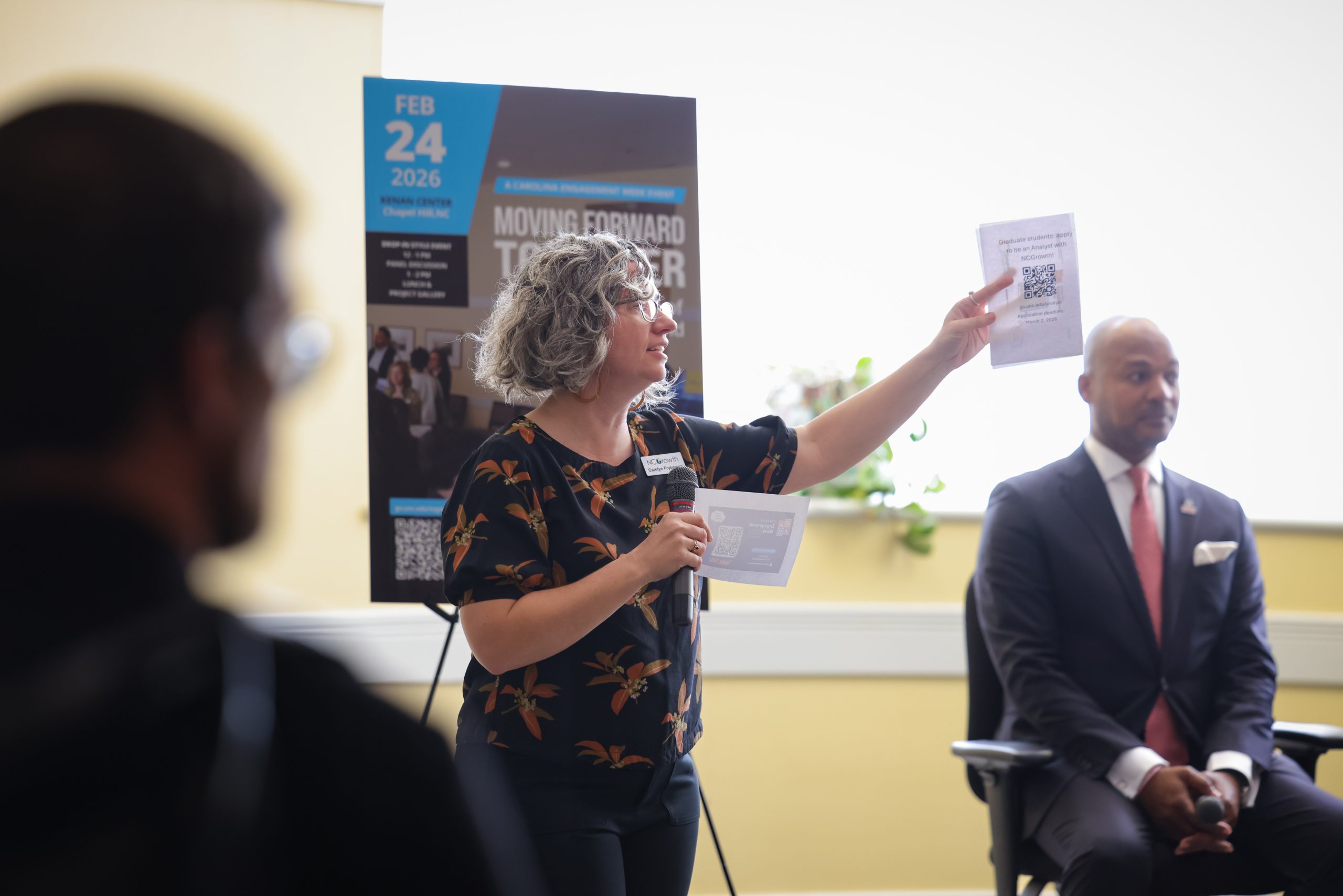
A woman with curly gray hair wearing glasses and a floral print shirt holds a flyer with a QR code and a microphone, speaking to an audience. A man in a suit and tie is seated to her right. A poster with "FEB 24 2026" and "MOVING FORWARD TOGETHER" is in the background.

Moving Forward Together: Building Resilience of Small Businesses and Communities

On February 24 we hosted our annual Carolina Engagement Week Showcase event, gathering partners, clients, students and community and business leaders to connect and reflect on building the resilience of small businesses and communities.  We are honored to do this work alongside businesses and organizations across the Carolinas, and beyond, several of whom shared their stories about what this support means to them.

2025 Annual Report cover featuring multiple inset images and large text.

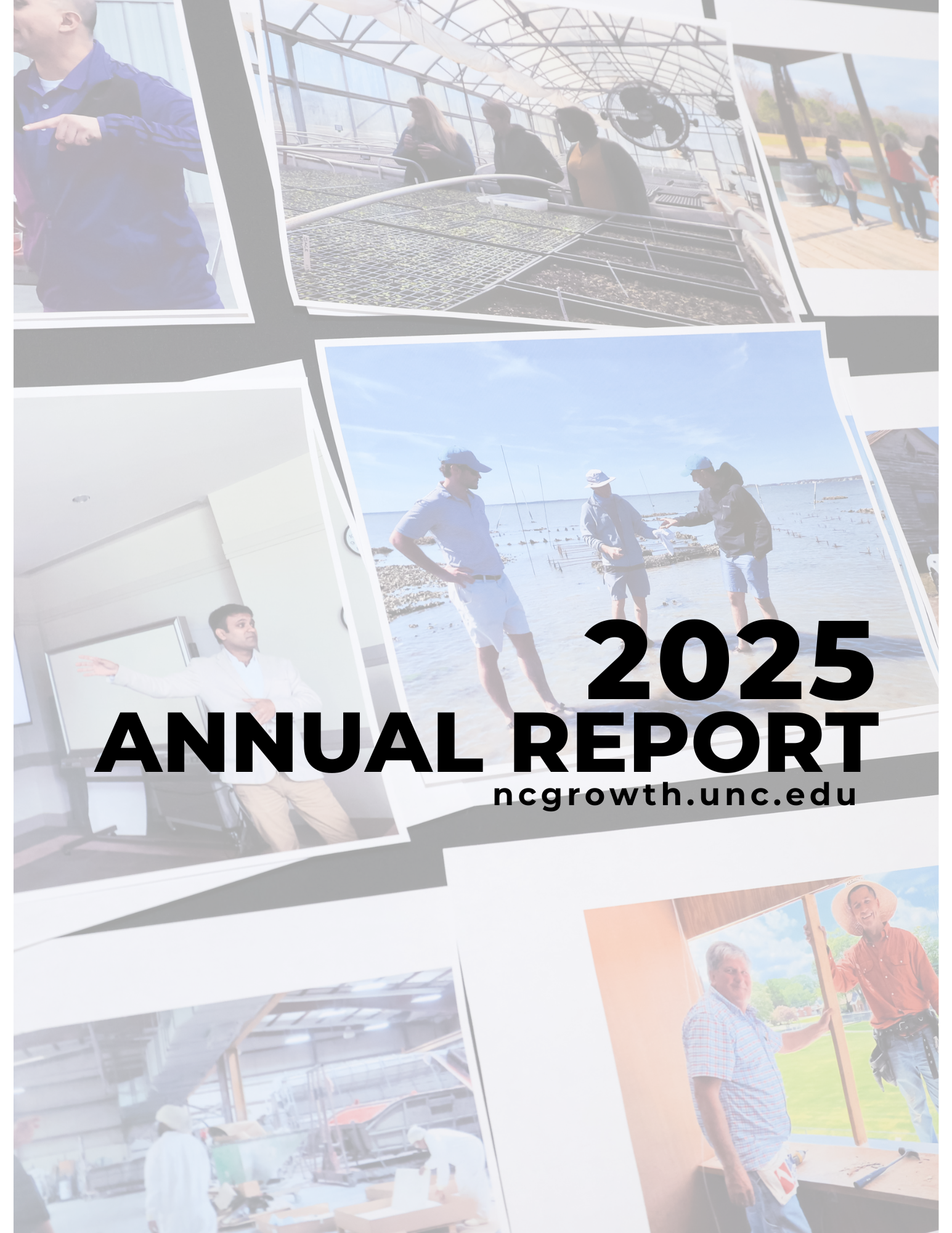
NCGrowth 2025 Annual Report

NCGrowth’s 2025 Annual Report captures 13 years of bold, place-based work to build an economy where opportunity is not limited by geography, race, or income. From advancing inclusive procurement and rethinking economic distress metrics to supporting small businesses, Tribal nations, and rural communities across 25 states, the report highlights how actionable research, hands-on technical assistance, and cross-sector partnerships translate into real impact—new jobs, stronger local economies, and shared prosperity. Explore the stories, data, and outcomes that show what’s possible when economic development is rooted in equity and driven by community.  

Aerial view of a brick building complex with a parking lot in the foreground, and a town with mountains in the background under a blue sky with white clouds.

NCGrowth Partners with Eastern Eight CDC to Address Small Business Capital Gaps in Eastern Tennessee 

NCGrowth is now working on the ground in Tennessee, helping Eastern Eight CDC with the development of a new Community Development Financial Institution (CDFI).    Eastern Eight is seeking to provide commercial lending services to small businesses and improve regional economic development efforts in eight counties in northeastern Tennessee.  However, to be successful, Eastern Eight needs a broader and deeper understanding of local capital access challenges–that’s where NCGrowth comes in!

Close-up of two hands, one with darker skin and one with lighter skin, passing a bronze baton during a race.

Creating Pathways to Legacy: A Vision for Small Business Resiliency, Longevity, and Impact 

On March 18, 2026, NCGrowth and U.S. Bank’s Business Access and Wealth Management team convened their third collaborative summit in Charlotte, North Carolina. Titled “Creating Pathways to Legacy,” this installment focused on defining what it means to build a resilient, enduring small business in today’s evolving economic landscape. More than 130 guests gathered to engage in substantive dialogue around three pillars: operational resilience, capital readiness, and legacy and succession preparedness. Since 2024, U.S. Bank/NCGrowth’s ongoing collaboration has consistently centered on the urgency of succession planning and sustainable business development. A driving force behind this work is the “Silver Tsunami” — the anticipated wave of Baby Boomer retirements that threatens to erode payrolls, displace jobs, and diminish community wealth if businesses are not thoughtfully transitioned to the next generation of owners. A Collective Approach to Economic Vitality The summit placed collective planning at the center of its agenda, drawing together a diverse group of ecosystem partners and thought leaders to offer both strategic context and actionable resources. Dr. Cody Morris, Ph.D., of the Kenan Institute of Private Enterprise opened with an economic overview, providing important context and market outlook for small and medium-sized enterprises navigating today’s environment. Representatives from Mecklenburg County’s Office of Economic Development and the City of Charlotte offered insights into the region’s growing economy, highlighting the significant transportation and infrastructure opportunities embedded in the Charlotte Future 2040 Plan. Charlotte’s broader ecosystem was well represented, with contributions from Next Street, BEFCOR, Prospera, and the Charlotte Women’s Business Center. These partners shared practical guidance on how business owners can remain actively engaged with their communities as they grow and detailed the range of resources available — including small business lending, technical assistance, and advisory support. Voices from the Field: Business Owners and Practitioners The summit provided a valuable forum for business owners themselves to share their experiences. Representing industries spanning healthcare, technology, and finance, these entrepreneurs offered candid perspectives that grounded the day’s broader themes in lived reality. Among the most compelling presentations was a conversation with Michael and Jason Stier of Focus CFO, a father-and-son team who shared an honest account of the challenges and rewards of transitioning a business from one generation to the next. Their story illustrated both the complexity and the possibility inherent in thoughtful succession planning. U.S. Bank concluded the event by presenting its full suite of wraparound services; spanning wealth management, lending, retirement planning, and relationship banking — demonstrating the breadth of support available to business owners at every stage of their journey. Key Takeaways The summit affirmed a central truth: building regional economic vitality is a shared responsibility. Attendees left with firsthand knowledge of Charlotte’s local economy and a clearer picture of the resources available to support business expansion and successful exits. Perhaps most powerfully, the day reinforced that sunsetting a career does not have to mean sunsetting a business. With access to knowledge, capital, and a supportive community, business owners can chart transitions that create lasting value; for themselves, for their employees, and for the Charlotte region at large. A collaborative initiative of NCGrowth and U.S. Bank Business Access & Wealth Management
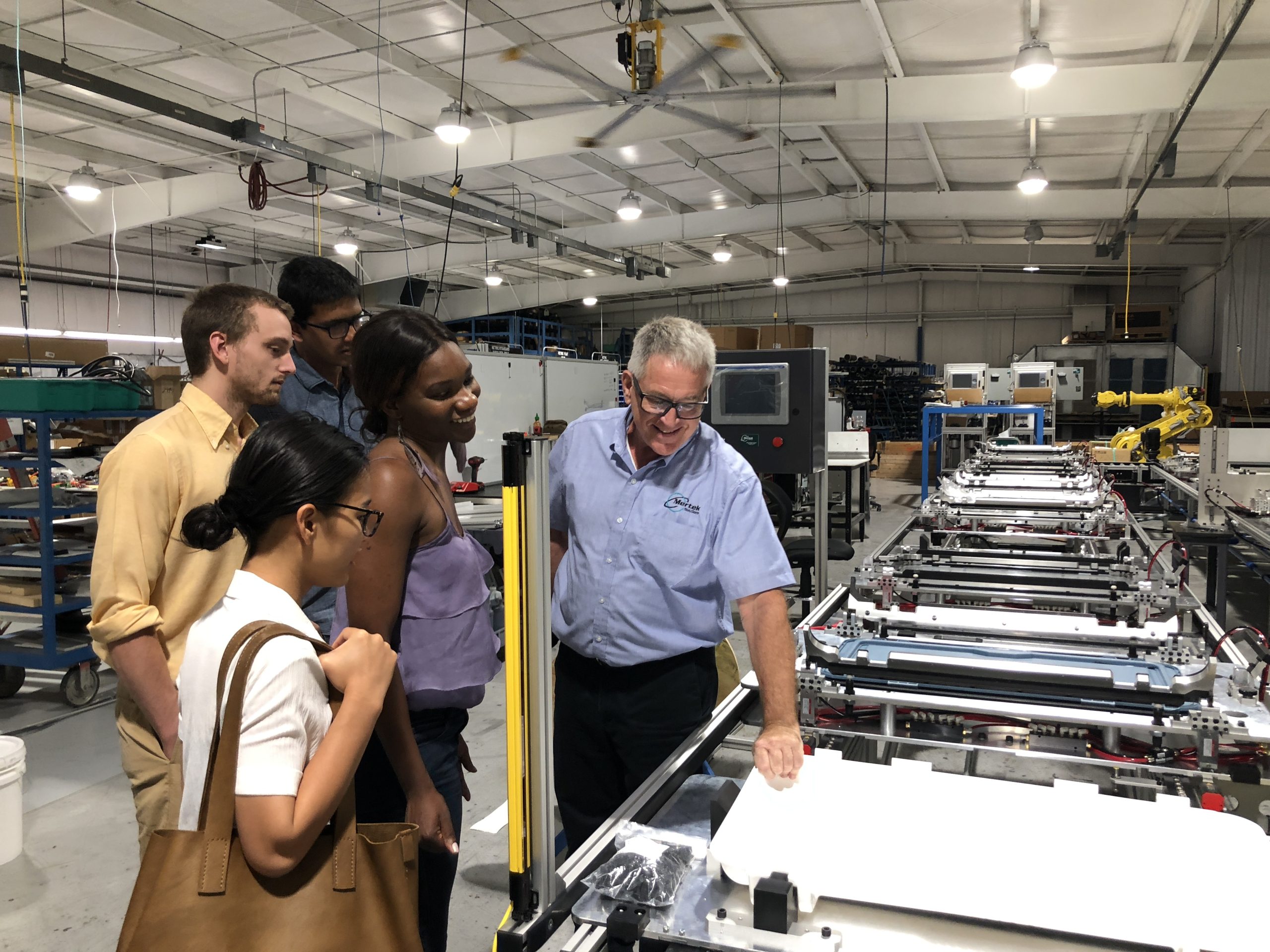
NCGrowth Hosts National Webinar on Purposeful Purchasing with IEDC and NGIN

Alyse Polly, formerly of NCGrowth and now at UC Berkeley, moderated a conversation with Deborah Diamond of the Federal Reserve Bank of Philadelphia, Swati Ghosh of the New Growth Innovation Network, and Dell Gines of the International Economic Development Council on how anchor institutions can turn everyday spending into engines of inclusive growth. Diamond outlined how universities and hospitals shape local prosperity through employment, procurement, and construction, and described tools that quantify both direct impacts and ripple effects across jobs, income, and GDP. Ghosh emphasized inclusive procurement as a practical pathway for small and diverse businesses to build wealth—especially in smaller cities where a handful of large buyers dominate demand—while Gines framed anchors as catalysts in a broader, modern approach to economic development that centers communities, small firms, and shared prosperity.

Client Feature: All Hearts Transportation Services – Strengthening Rural Mobility

In the rural communities of eastern North Carolina, access to reliable transportation can be the difference between receiving essential care and going without. All Hearts Transportation Services LLC, founded by the dedicated and mission-driven Shielda Forrest, is working to close that gap. Based in Williamston, All Hearts provides safe, dependable transportation for elderly adults, people with disabilities, and children who require accessible transit options—particularly in counties where transportation resources are scarce.

Reimagining Workforce Training in Rural South Carolina

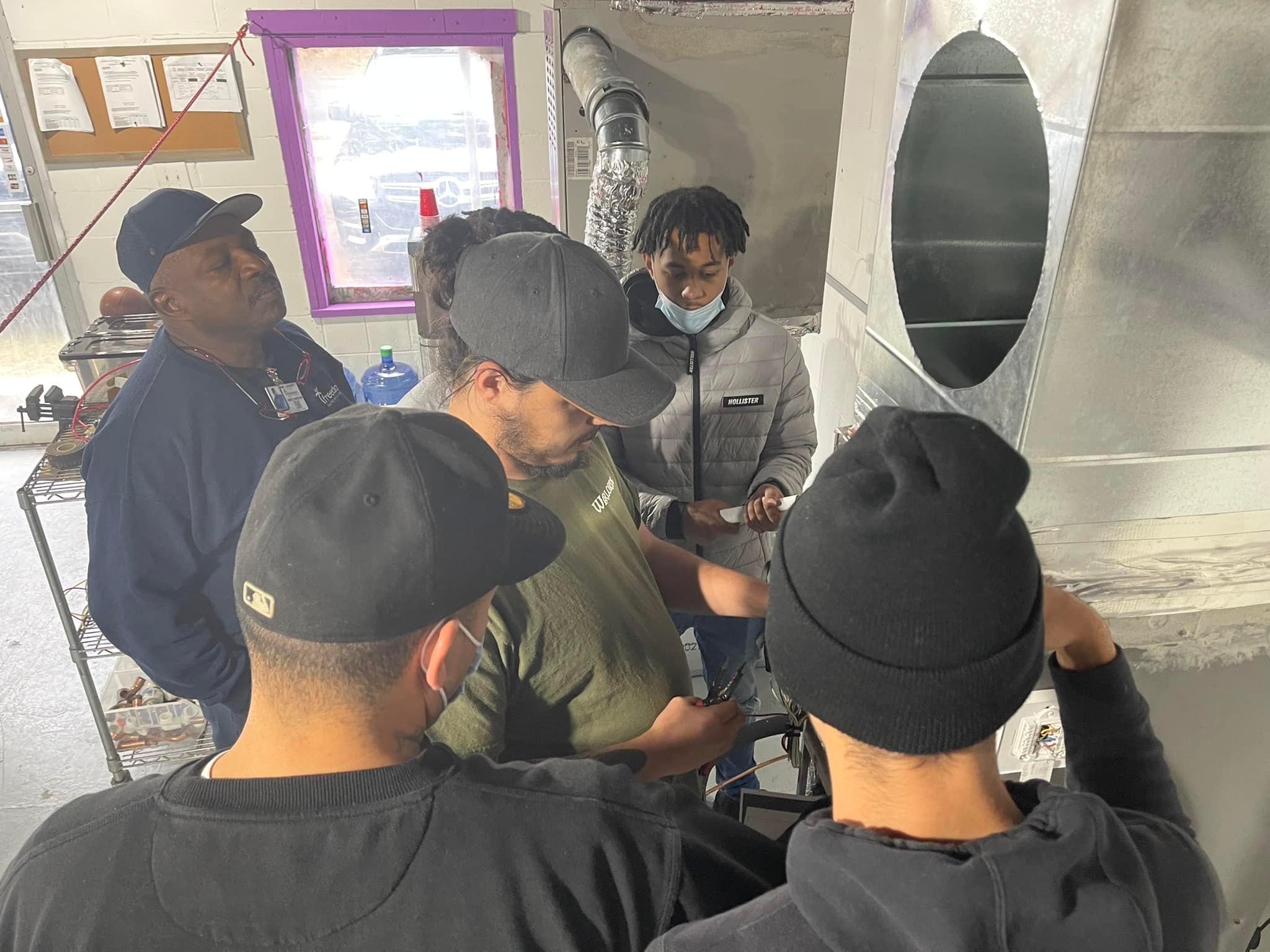
In the quiet, tight-knit town of Hampton, South Carolina, one family-owned business is making an outsized impact on both local homes and local careers. Freedom Air Heating and Air Conditioning, a trusted service provider in Hampton and Bluffton, has long been known for its commitment to keeping residents comfortable. But the company’s vision reaches far beyond HVAC systems—it’s also dedicated to empowering people.

Border Belt Independent Features Insights from Carolyn Fryberger 

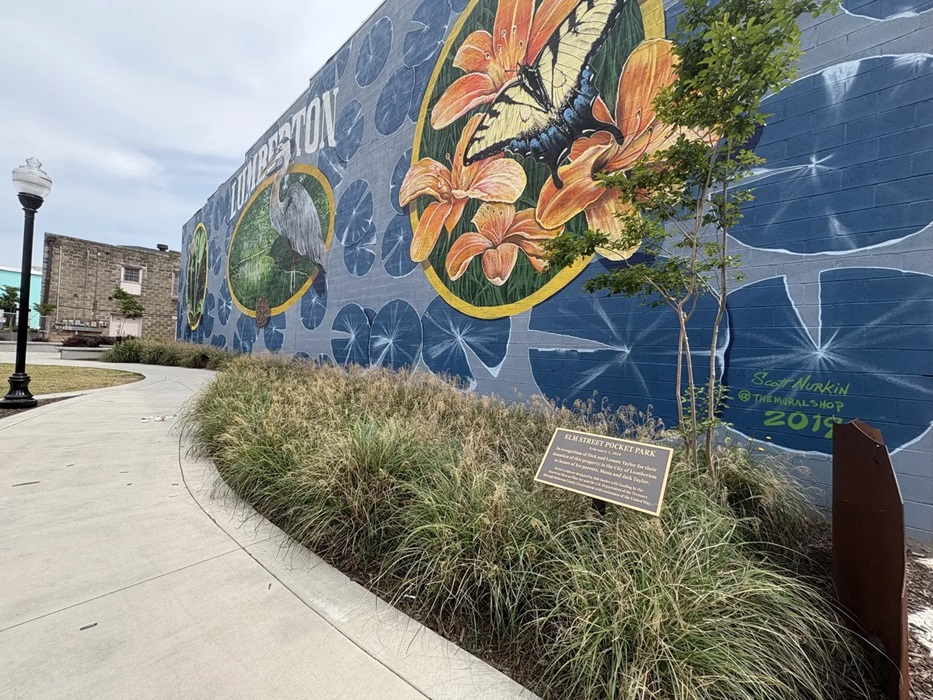
NCGrowth’s Associate Director of Economic Development, Carolyn Fryberger, was featured in a recent Border Belt Independent article highlighting both the opportunities and challenges in revitalizing downtown Lumberton. Carolyn emphasized the importance of fostering vibrant, walkable downtown areas and the role they play in attracting residents, visitors, and businesses. Her insights underscored how thoughtful planning and investment can drive long-term economic growth and community vitality. 

Empowering Growth: Entrepreneurs and Leaders Gather for NCGrowth’s Fall Showcase

The NCGrowth Fall Showcase hosted in Maysville, NC brought together 40+ community partners, entrepreneurs, and local leaders to celebrate innovative projects advancing inclusive economic development across Southeastern North Carolina. We heard insightful presentations from NCGrowth clients which included: the Town of Maysville (Schumata Brown), the Enfield Alliance Coalition (Larry Perkins), Freedom Org (Kendrick Ransome and Aerhealle Chace), Queen of All Things (Lonyae McClune), and the Lumbee Tribe’s Ag NRD Foodways Initiative (Pat Dial). We were also joined by Thom Ruhe, CEO of NCIDEA, the primary event sponsor.

hands typing on a computer with data graphs superimposed over the image with a robot hand coming out of the screen

Beyond the Hype: Turning AI from Buzzword to Business Tool

Arthur C. Clarke’s famous quote that “any sufficiently advanced technology is indistinguishable from magic” captures the current zeitgeist of Artificial Intelligence. A rapid proliferation of tools, combined with an outsized mystique, makes AI for business tempting and intimidating. The conflicting narratives about AI can be overwhelming and deter adoption. This hesitation is understandable. It is often rooted in deeply held values about hard work, which can lead to overvaluing effort and undervaluing results. People may resist powerful new tools if they seem too easy, almost like cheating. But working smarter is a reasonable approach for business owners who have more needs than time to meet them. The best tools available can help an entrepreneur address pressing challenges and meet their goals. Businesses can do this by leveraging the knowledge they already have, without the need to become experts in AI. A two-question framework can offer a strategic, low-risk entry point to AI technology. “If I had a magic wand, what one problem would I solve for my business?” The magic wand question helps define future success and set aside perceived constraints like budget or time. Focusing on outcome rather than process grounds the strategy in true business needs. “Is this an area where I am already an expert?” This question is the essential guardrail for any AI tool. Businesses know their own situations best. Applying AI to a problem that an entrepreneur already knows deeply, like a contractor testing a scheduling tool, keeps them in the driver’s seat. Their own expertise allows business owners to evaluate whether the AI results are high-quality, unhelpful, or simply AI “slop.” This process creates a safe sandbox to begin AI experimentation. Ultimately, this two-question strategy provides a focused starting point, empowering the entrepreneur to use their informed judgment as a guide for safe and successful results.

Succession Planning: A Critical Step Toward Sustainable Family Enterprise 

Succession planning is often one of the last things business owners prioritize—but the case can be made for putting it first. Unfortunately, many only begin thinking about it when it’s too late. With this in mind, we pose the question: How well does your family communicate about succession and leadership transition?  Entrepreneurship, while inherently risky, offers the promise of financial security not only for the current generation but for those to come. It can pave the way for multigenerational wealth and open the door to increased capital investment and long-term ownership. However, when family enterprises fail to communicate a clear path for leadership transition, they risk losing the very wealth and stability they worked so hard to build—not just for their families, but for their communities as well. In the coming years, a large wave of Baby Boomers is expected to retire, creating a significant shift in business ownership often referred to as the “Silver Tsunami.” This term describes the anticipated transfer or sale of businesses owned by individuals aged 55 and older—these businesses represent an estimated $1.3 trillion in payroll receipts. Yet, according to a 2023 study by Project Equity, 60% of these business owners do not have an exit plan in place. This reality places succession planning at the heart of economic development. By initiating conversations early and often and conducting research and outreach that emphasizes the importance succession planning,  we aim to help families preserve the legacy of enterprise-ownership for generations to come.