Up Next

ki-logo-white
Market-Based Solutions to Vital Economic Issues

SEARCH

News & Media

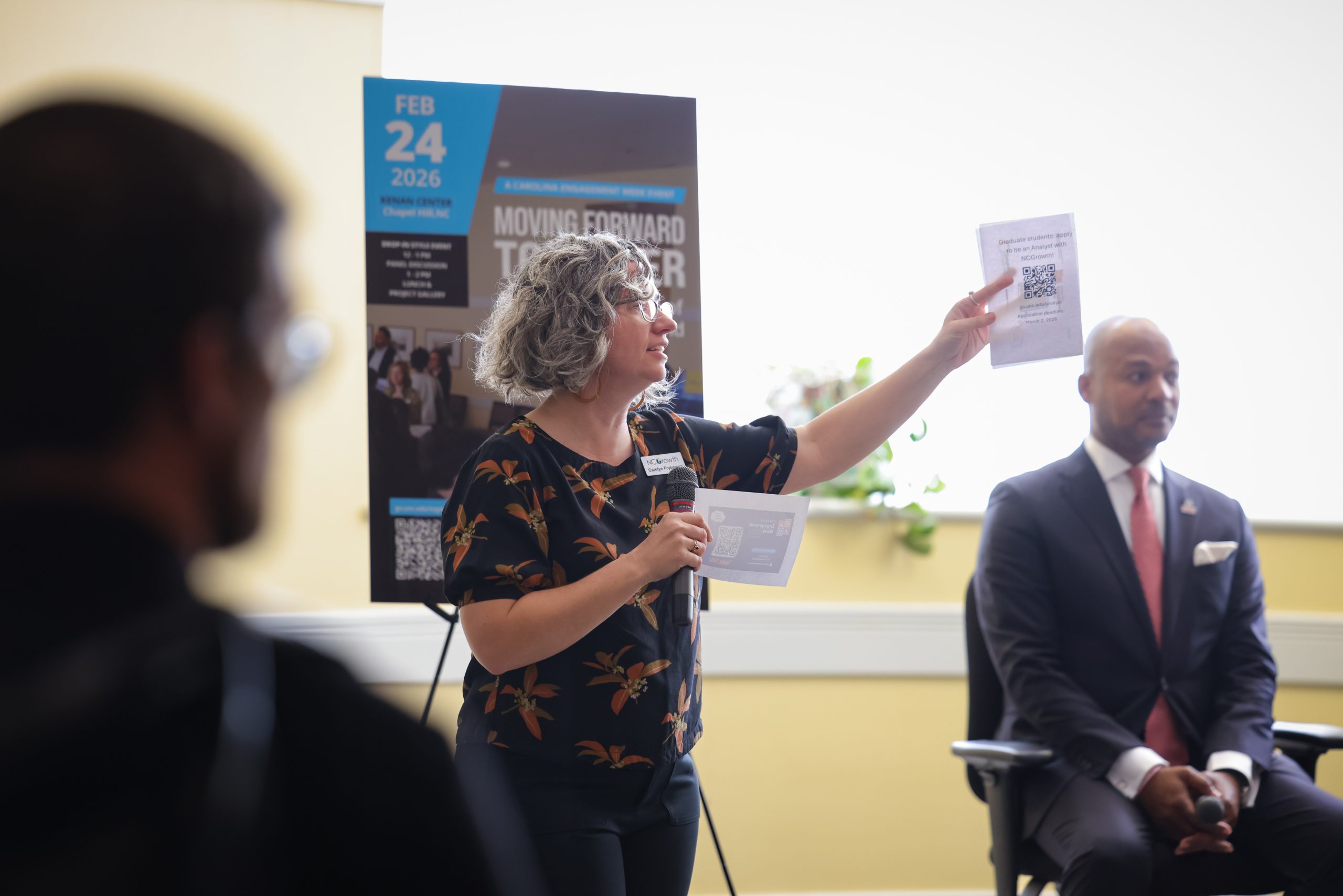
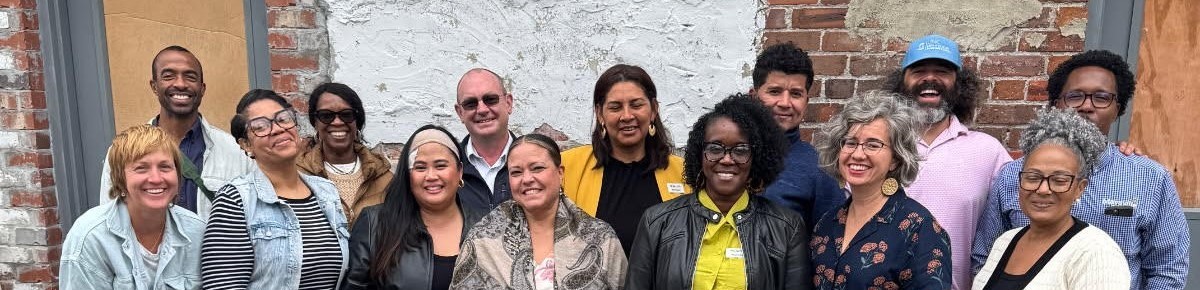
On February 24 we hosted our annual Carolina Engagement Week Showcase event, gathering partners, clients, students and community and business leaders to connect and reflect on building the resilience of small businesses and communities.  We are honored to do this work alongside businesses and organizations across the Carolinas, and beyond, several of whom shared their stories about what this support means to them.

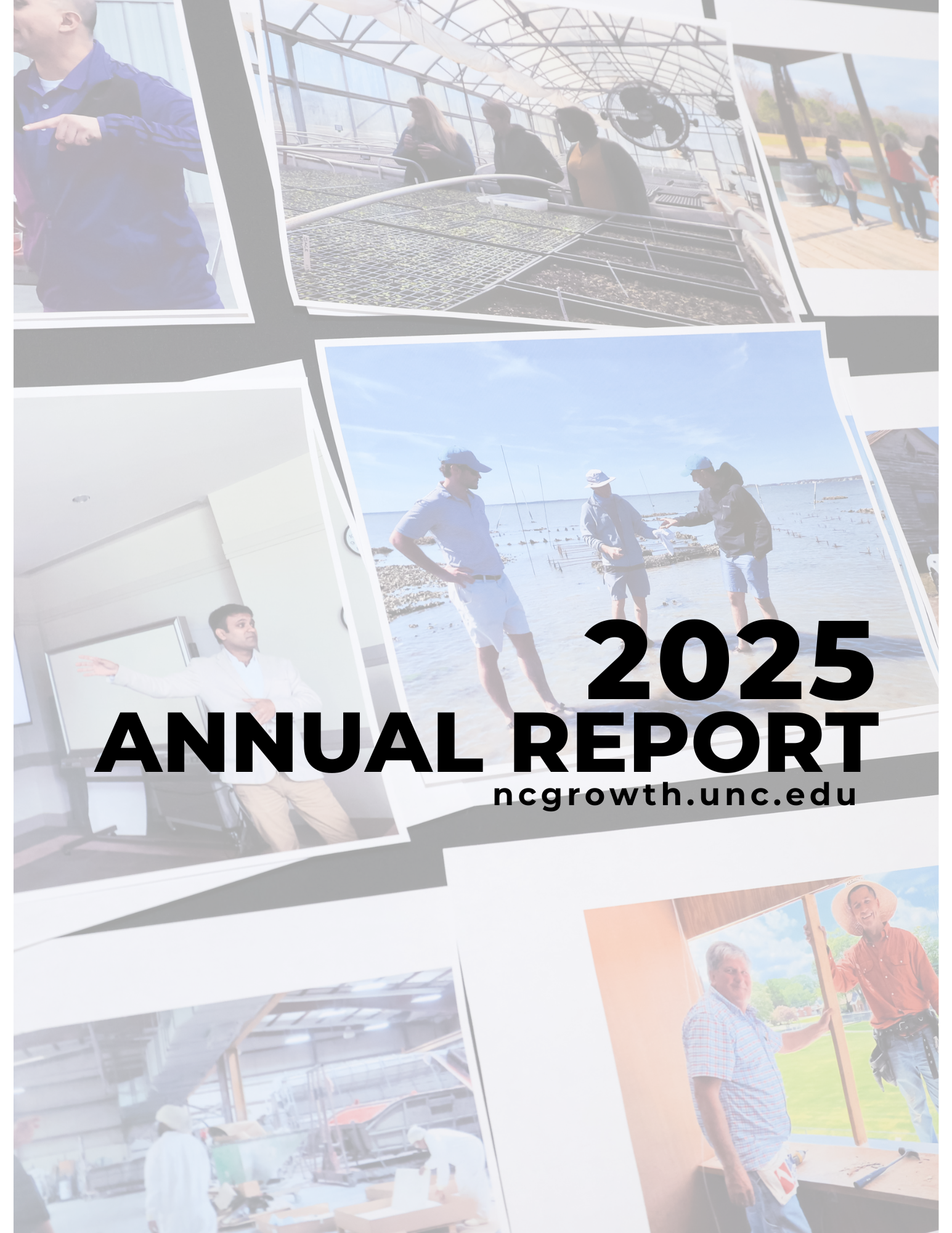
NCGrowth’s 2025 Annual Report captures 13 years of bold, place-based work to build an economy where opportunity is not limited by geography, race, or income. From advancing inclusive procurement and rethinking economic distress metrics to supporting small businesses, Tribal nations, and rural communities across 25 states, the report highlights how actionable research, hands-on technical assistance, and cross-sector partnerships translate into real impact—new jobs, stronger local economies, and shared prosperity. Explore the stories, data, and outcomes that show what’s possible when economic development is rooted in equity and driven by community.


NCGrowth is now working on the ground in Tennessee, helping Eastern Eight CDC with the development of a new Community Development Financial Institution (CDFI).    Eastern Eight is seeking to provide commercial lending services to small businesses and improve regional economic development efforts in eight counties in northeastern Tennessee.  However, to be successful, Eastern Eight needs a broader and deeper understanding of local capital access challenges--that's where NCGrowth comes in!

On March 18, 2026, NCGrowth and U.S. Bank’s Business Access and Wealth Management team convened their third collaborative summit in Charlotte, North Carolina. Titled “Creating Pathways to Legacy,” this installment focused on defining what it means to build a resilient, enduring small business in today’s evolving economic landscape. More than 130 guests gathered to engage in substantive dialogue around three pillars: operational resilience, capital readiness, and legacy and succession preparedness.

Since 2024, U.S. Bank/NCGrowth’s ongoing collaboration has consistently centered on the urgency of succession planning and sustainable business development. A driving force behind this work is the “Silver Tsunami” — the anticipated wave of Baby Boomer retirements that threatens to erode payrolls, displace jobs, and diminish community wealth if businesses are not thoughtfully transitioned to the next generation of owners.

A Collective Approach to Economic Vitality

The summit placed collective planning at the center of its agenda, drawing together a diverse group of ecosystem partners and thought leaders to offer both strategic context and actionable resources.

Dr. Cody Morris, Ph.D., of the Kenan Institute of Private Enterprise opened with an economic overview, providing important context and market outlook for small and medium-sized enterprises navigating today’s environment. Representatives from Mecklenburg County’s Office of Economic Development and the City of Charlotte offered insights into the region’s growing economy, highlighting the significant transportation and infrastructure opportunities embedded in the Charlotte Future 2040 Plan.

Charlotte’s broader ecosystem was well represented, with contributions from Next Street, BEFCOR, Prospera, and the Charlotte Women’s Business Center. These partners shared practical guidance on how business owners can remain actively engaged with their communities as they grow and detailed the range of resources available — including small business lending, technical assistance, and advisory support.

Voices from the Field: Business Owners and Practitioners

The summit provided a valuable forum for business owners themselves to share their experiences. Representing industries spanning healthcare, technology, and finance, these entrepreneurs offered candid perspectives that grounded the day’s broader themes in lived reality.

Among the most compelling presentations was a conversation with Michael and Jason Stier of Focus CFO, a father-and-son team who shared an honest account of the challenges and rewards of transitioning a business from one generation to the next. Their story illustrated both the complexity and the possibility inherent in thoughtful succession planning.

U.S. Bank concluded the event by presenting its full suite of wraparound services; spanning wealth management, lending, retirement planning, and relationship banking — demonstrating the breadth of support available to business owners at every stage of their journey.

Key Takeaways

The summit affirmed a central truth: building regional economic vitality is a shared responsibility. Attendees left with firsthand knowledge of Charlotte’s local economy and a clearer picture of the resources available to support business expansion and successful exits.

Perhaps most powerfully, the day reinforced that sunsetting a career does not have to mean sunsetting a business. With access to knowledge, capital, and a supportive community, business owners can chart transitions that create lasting value; for themselves, for their employees, and for the Charlotte region at large.

A collaborative initiative of NCGrowth and U.S. Bank Business Access & Wealth Management
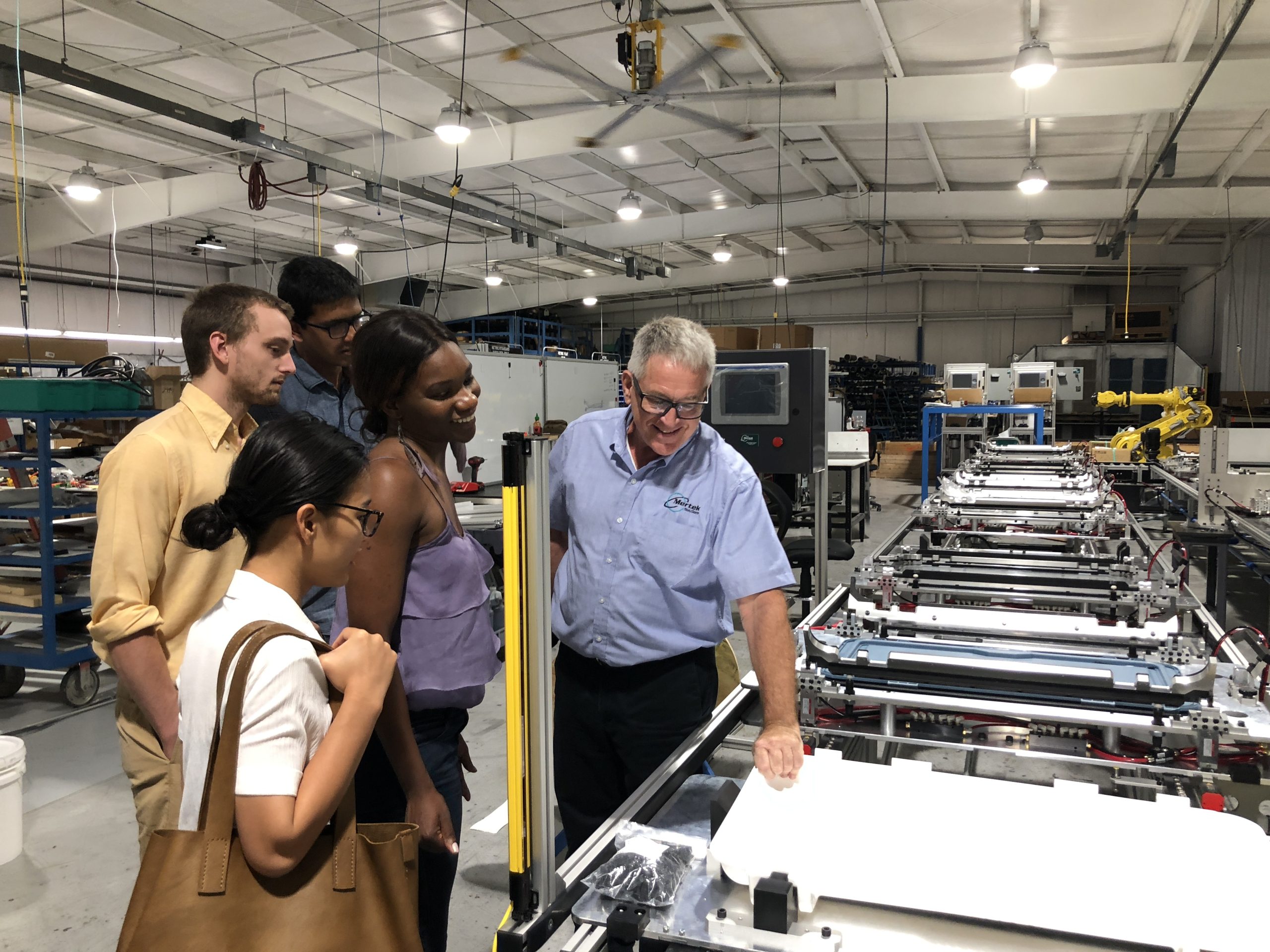
Alyse Polly, formerly of NCGrowth and now at UC Berkeley, moderated a conversation with Deborah Diamond of the Federal Reserve Bank of Philadelphia, Swati Ghosh of the New Growth Innovation Network, and Dell Gines of the International Economic Development Council on how anchor institutions can turn everyday spending into engines of inclusive growth. Diamond outlined how universities and hospitals shape local prosperity through employment, procurement, and construction, and described tools that quantify both direct impacts and ripple effects across jobs, income, and GDP. Ghosh emphasized inclusive procurement as a practical pathway for small and diverse businesses to build wealth—especially in smaller cities where a handful of large buyers dominate demand—while Gines framed anchors as catalysts in a broader, modern approach to economic development that centers communities, small firms, and shared prosperity.

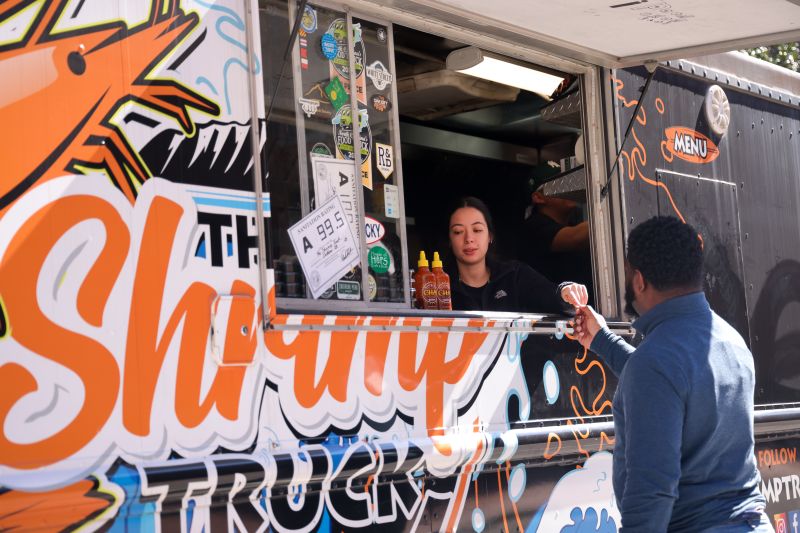
In the rural communities of eastern North Carolina, access to reliable transportation can be the difference between receiving essential care and going without. All Hearts Transportation Services LLC, founded by the dedicated and mission-driven Shielda Forrest, is working to close that gap. Based in Williamston, All Hearts provides safe, dependable transportation for elderly adults, people with disabilities, and children who require accessible transit options—particularly in counties where transportation resources are scarce.

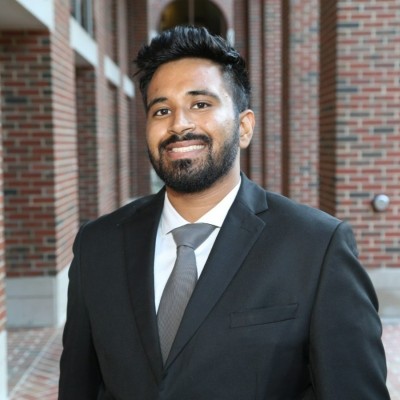
For Rachit Tyagi, innovation is most meaningful when it improves people’s lives. Recent MBA UNC Kenan‑Flagler graduate, a current Pathways Operations Manager at Amazon, and an NCGrowth Analyst, he has built a career at the intersection of supply chain, sustainability, marketing, and finance—leveraging that blend of expertise to help organizations grow stronger and more resilient.

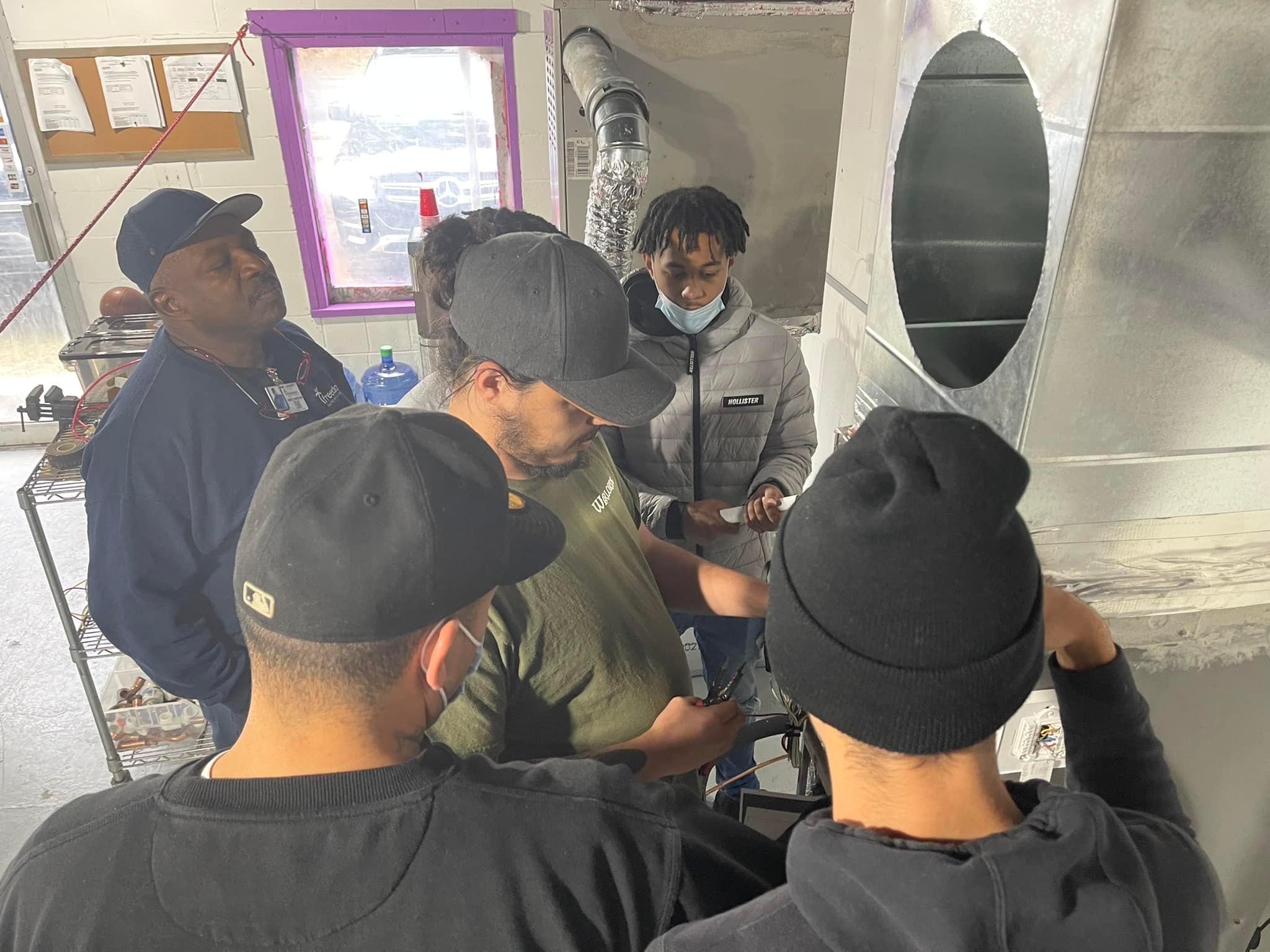
In the quiet, tight-knit town of Hampton, South Carolina, one family-owned business is making an outsized impact on both local homes and local careers. Freedom Air Heating and Air Conditioning, a trusted service provider in Hampton and Bluffton, has long been known for its commitment to keeping residents comfortable. But the company’s vision reaches far beyond HVAC systems—it’s also dedicated to empowering people.

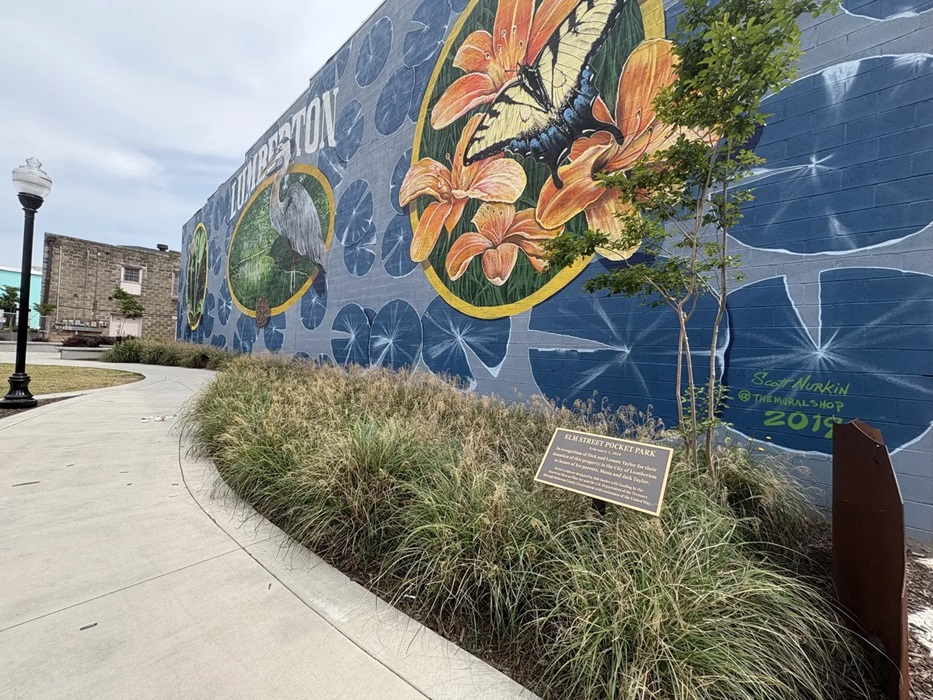
NCGrowth’s Associate Director of Economic Development, Carolyn Fryberger, was featured in a recent Border Belt Independent article highlighting both the opportunities and challenges in revitalizing downtown Lumberton. Carolyn emphasized the importance of fostering vibrant, walkable downtown areas and the role they play in attracting residents, visitors, and businesses. Her insights underscored how thoughtful planning and investment can drive long-term economic growth and community vitality. 

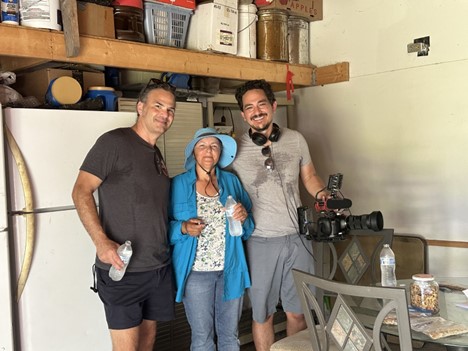
The NCGrowth Fall Showcase hosted in Maysville, NC brought together 40+ community partners, entrepreneurs, and local leaders to celebrate innovative projects advancing inclusive economic development across Southeastern North Carolina. We heard insightful presentations from NCGrowth clients which included: the Town of Maysville (Schumata Brown), the Enfield Alliance Coalition (Larry Perkins), Freedom Org (Kendrick Ransome and Aerhealle Chace), Queen of All Things (Lonyae McClune), and the Lumbee Tribe’s Ag NRD Foodways Initiative (Pat Dial). We were also joined by Thom Ruhe, CEO of NCIDEA, the primary event sponsor.

The purpose of our showcase events is to highlight recent NCGrowth projects and upcoming work with businesses, local and tribal governments, and anchor institutions across the Carolinas. Clients are invited to share their experiences and the impact our work has had on their community, business, or organization.

Arthur C. Clarke’s famous quote that “any sufficiently advanced technology is indistinguishable from magic” captures the current zeitgeist of Artificial Intelligence. A rapid proliferation of tools, combined with an outsized mystique, makes AI for business tempting and intimidating. The conflicting narratives about AI can be overwhelming and deter adoption.

This hesitation is understandable. It is often rooted in deeply held values about hard work, which can lead to overvaluing effort and undervaluing results. People may resist powerful new tools if they seem too easy, almost like cheating.

But working smarter is a reasonable approach for business owners who have more needs than time to meet them. The best tools available can help an entrepreneur address pressing challenges and meet their goals. Businesses can do this by leveraging the knowledge they already have, without the need to become experts in AI.

A two-question framework can offer a strategic, low-risk entry point to AI technology.

“If I had a magic wand, what one problem would I solve for my business?”

The magic wand question helps define future success and set aside perceived constraints like budget or time. Focusing on outcome rather than process grounds the strategy in true business needs.

“Is this an area where I am already an expert?”

This question is the essential guardrail for any AI tool. Businesses know their own situations best. Applying AI to a problem that an entrepreneur already knows deeply, like a contractor testing a scheduling tool, keeps them in the driver’s seat. Their own expertise allows business owners to evaluate whether the AI results are high-quality, unhelpful, or simply AI “slop.” This process creates a safe sandbox to begin AI experimentation.

Ultimately, this two-question strategy provides a focused starting point, empowering the entrepreneur to use their informed judgment as a guide for safe and successful results.

Rooted is a feature series that recognizes long-standing members of the UNC-Chapel Hill community who have aided in the advancement of research by staying at Carolina. They are crucial to the research enterprise and experts in their fields.

Read More