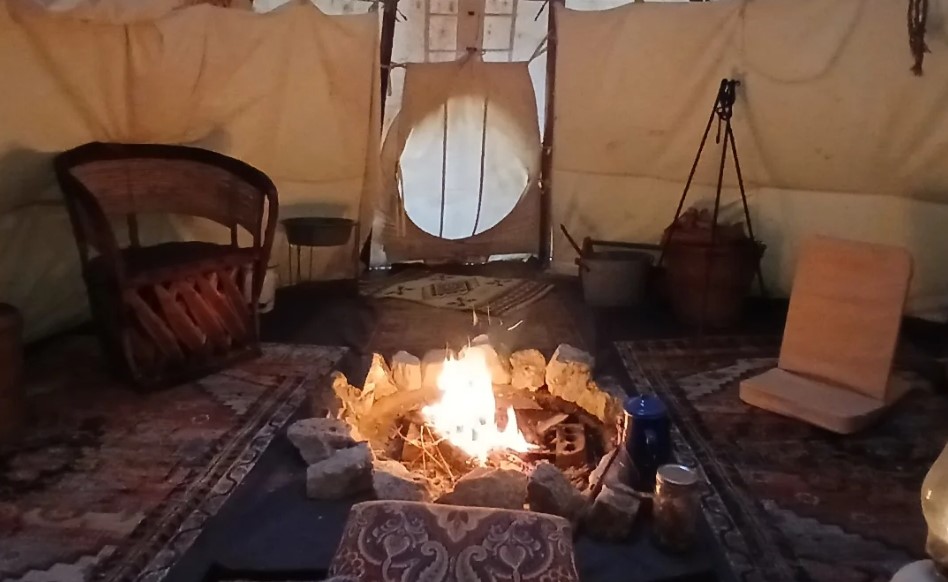
In Williamston, where fields stretch toward the horizon and history lingers in the soil, Yellow Flower Healing is cultivating something rare: a business built not only to earn revenue, but to restore people, place and possibility.
Led by healer and educator Robin Payton Payne, Yellow Flower Healing blends ancestral traditions with modern wellness through energy-healing sessions, heirloom herb workshops, immersive retreats and botanical goods grown from the land itself. At the center of the enterprise is a restored late-1800s Healer’s Cabin — a place where healing is practiced as a relationship between people, history and the natural world.
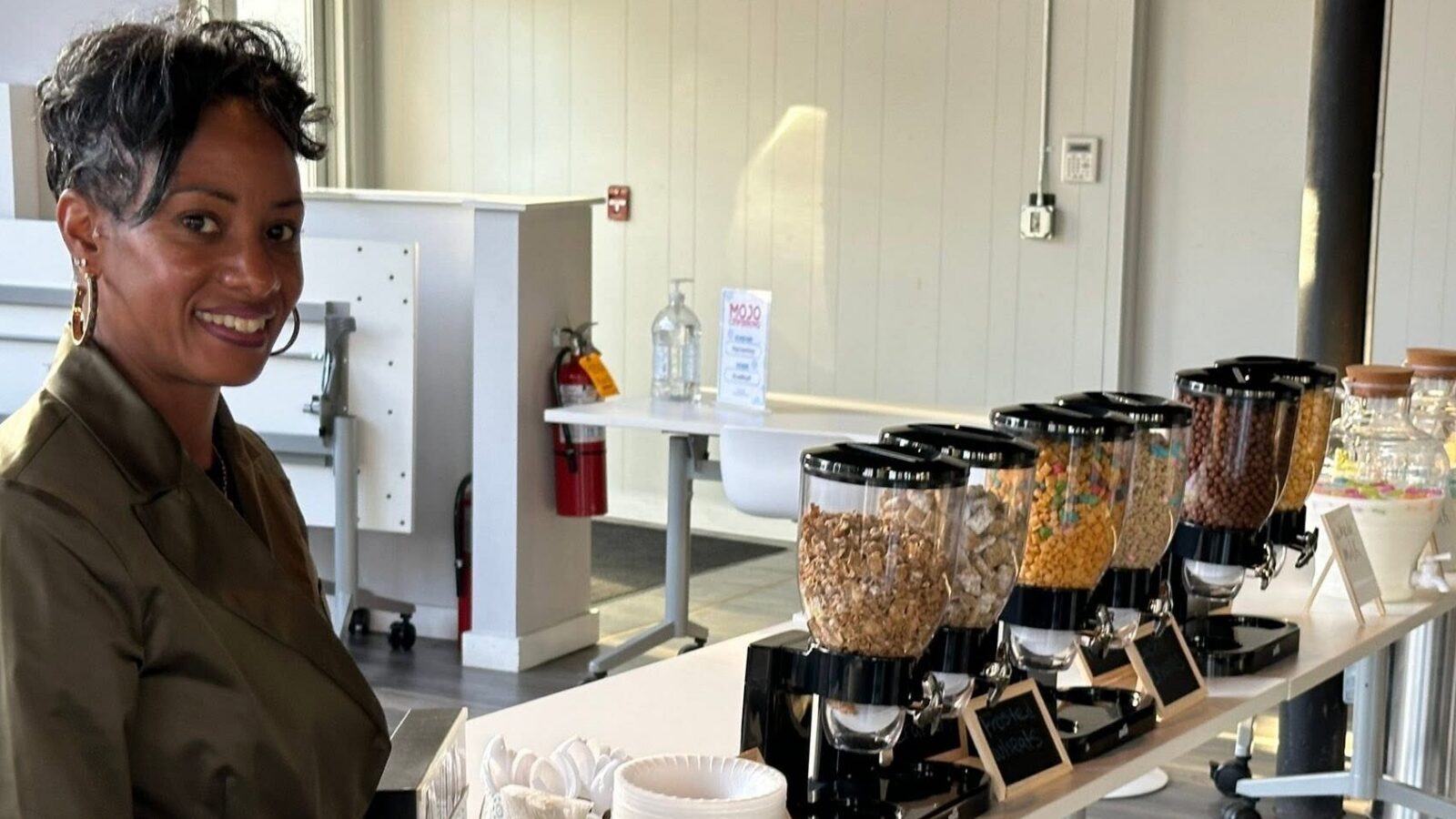
The Asheville entrepreneur says the idea for her business came from her son, Elijah Cox, when he was just 13 years old. One day, he asked to pull out all the cereal at home and suggested they open a cereal bar. For Waters, the moment sparked more than a business concept; it launched an entrepreneurial journey rooted in family, faith, imagination and determination.
It was one of those routine days at work when I found my colleague Dr. Darlene Deberry lost in thought, staring outside the window, just beside her cubicle. Winter is long gone, and the spring blossoms are still trying to cling to the winter’s chill, in a last desperate attempt. Inquisitive to the core, I volunteered to break the trance, Darlene was under and asked what she was working on. She smiled, “How to teach the benefits of AI to a non-technical cohort.”
NCGrowth is launching a free, seven‑month cohort program designed to help businesses in Western North Carolina recover, rebuild, and scale to meet post‑disaster demand. This program provides participants with practical tools, expert guidance, and meaningful connections to support long‑term growth.
We encourage partners, organizations, and community leaders to help us spread the word and identify strong candidates to apply.
NCGrowth’s 2025 Annual Report captures 13 years of bold, place-based work to build an economy where opportunity is not limited by geography, race, or income. From advancing inclusive procurement and rethinking economic distress metrics to supporting small businesses, Tribal nations, and rural communities across 25 states, the report highlights how actionable research, hands-on technical assistance, and cross-sector partnerships translate into real impact—new jobs, stronger local economies, and shared prosperity. Explore the stories, data, and outcomes that show what’s possible when economic development is rooted in equity and driven by community.
In early March, I joined members of the NCGrowth team (Mark Little, Christina Theodorou, Jessamyn Tracy and Belton Moore) and more than 4,500 attendees in Las Vegas for the 2025 Reservation Economic Summit (RES), hosted by the National Center for American Indian Enterprise Development (NCAIED). As a member of the Eastern Band of Cherokee Indians (EBCI), it was an honor to be part of this dynamic gathering of Native entrepreneurs, tribal leaders, corporate executives, and government representatives. All focused on advancing economic development in Indian Country.
RES is recognized as the premier conference for Native American business and economic development. The summit also provided a unique opportunity for NCGrowth to come together with The National Center to strengthen partnerships and continue building momentum around our joint tribal tourism initiatives. Through the cooperative agreement announced in July 2024 between NCGrowth, The National Center, and the Office of Indian Economic Development (OIED), the Native Edge Tourism Technical Assistance Center (NETTAC) was launched to enhance tourism opportunities in Native communities. Attending RES allowed us to connect in person, share insights, and discuss the next steps for advancing tribal tourism efforts across the nation.
Throughout the conference, we attended a series of breakout sessions focused on the intersection of tourism and economic development. For me, learning about different practical strategies that tribal communities can implement to boost economic resilience was a highlight. It was valuable information that I can share with the tribes and businesses that I encounter moving forward. Some of the other standout sessions that we took part in included:
Each breakout session drew between 75 to 150 attendees, demonstrating significant interest in leveraging tourism as a tool for economic empowerment. The discussions were vibrant and thought-provoking, leaving me feeling empowered and inspired with many new ideas on how to develop tourism products that honor cultural heritage while fostering sustainable economic growth.
Overall, RES was an excellent experience, offering Christina, Mark, and I, countless opportunities to network with other professionals and, more importantly, share insights from our work at NCGrowth. I believe we all left the conference energized and motivated, with fresh perspectives and strengthened connections that will help us better serve Native tourism initiatives.
We remain committed to leveraging our resources as we continue working alongside The National Center and our regional partners to advance tourism opportunities that honor Native communities, cultures, and heritage.
For more information about the Native Edge Tourism Technical Assistance Program, visit: nativeedgetourism.org
On February 25, 2025, NCGrowth and the Kenan Institute for Private Enterprise hosted "Thriving in the Carolinas: Supporting Small Businesses and Communities" at the UNC Kenan Center. This drop-in style event attracted over 100 attendees, including entrepreneurs, community leaders, and students, all dedicated to fostering inclusive economic growth in the Carolinas.
Event Highlights:
This event was part of Carolina Engagement Week and was generously sponsored by Partner Community Capital, a Community Development Financial Institution supporting businesses and non-profits in underserved communities across Central Appalachia and the Southeast.
For more information on upcoming events and initiatives, visit NCGrowth's events page.
North Carolina's entrepreneurial landscape is thriving, boasting 178,000 new businesses in 2022 and over 360 entrepreneurial ecosystem partners dedicated to bolstering businesses statewide. Despite its geographic diversity, the state's entrepreneurial support network remains somewhat disconnected, with outcomes varying across regions and organizations. This report explores the intersection of entrepreneurship and economic development incorporating insights from interviews with key players, review of existing reports and research, and case studies. This report identifies a disparity in the focus of economic development efforts, which are often centered on business recruitment, retention, and entrepreneurial support, with local entrepreneurs often left uninformed about these activities. Economic development initiatives related to entrepreneurship vary significantly depending on factors like location, investment sources, digital infrastructure, and networking capabilities.
Within this context, four primary themes emerged as problems entrepreneurship-led economic development could help to resolve: 1) Access to Capital: Ensuring entrepreneurs have access to necessary funding and resources throughout their business development stage; 2) Coordination of the Business Development Environment: Raising awareness and promoting available resources and initiatives among local business owners and entrepreneurs; 3) Digital Infrastructure Development: Fostering digital capabilities and connectivity, which are crucial for modern business operations; and 4) Mentorship and Network Collaboration: Facilitating mentorship opportunities, building a supportive entrepreneurial community, and connecting businesses regionally.
NCAIED’s annual conference, the Reservation Economic Summit (RES), is the preeminent event to attend for high-caliber networking, winning teaming opportunities, business development sessions, and one-on-one consulting for American Indian enterprise.
Located in Walterboro, SC, the LaTrice D. Ferguson School of Nursing Assistants (LDF CNA) has been training nursing assistants since 2016. Currently, the company's marketing is through simple social media posting and word-of-mouth; however, this is a barrier to future growth. LDF CNA engaged NCGrowth to help them develop a formal marketing campaign to reach more potential students with an interest in healthcare careers. The detailed marketing plan included market segmentation and a competitive analysis of the career opportunity.
In late November, attendees from across the eastern region of North Carolina joined the NCGrowth team in Bertie County. Attendees learned about our projects supporting businesses, communities, and local and Tribal governments including Pamlico County, Enc96radio, the Haliwa-Saponi Tribe, Town of Garysburg, and Slice 325. After lunch, the team and guests toured Indulge Aesthetics, the Cashie Treehouse Village, and the site of a developing park in Bertie County currently known “Tall Glass of Water”.